The Beard Oil Label Decoder: What Those Tiny Ingredient Lists Actually Mean
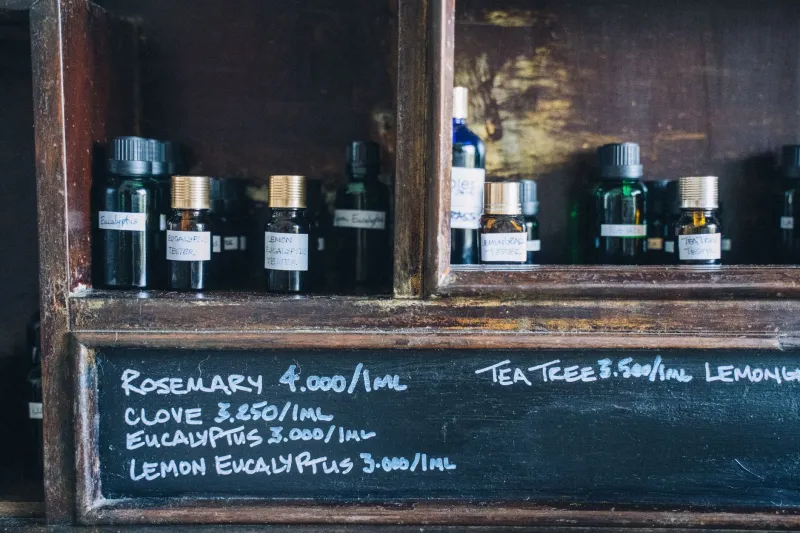
Walk into any grooming aisle or scroll through a beard brand’s product page and you’ll see the same promises: softer growth, less itch, a healthier-looking beard, maybe even a hint of cedarwood mystique. The bottle is sleek. The copy is confident. The ingredient list is tiny, often printed in a font that seems designed to be ignored.
That list is the only part of the label that can’t really lie to you. Everything else is marketing. If you want to spend your money on a beard oil that does something useful, you need to read the back of the bottle like a skeptical editor, not a hopeful shopper. Here’s how.
Start With the Carrier Oils, Not the Hype
Beard oil is mostly carrier oil. That’s the base that softens hair, adds slip, and helps seal in moisture. The first few ingredients on the list tell you what you’re actually buying.
Jojoba is a strong default. It’s technically a wax ester, and it sits close to the skin’s natural sebum, so it absorbs without feeling greasy. Argan oil is lighter and popular for a reason, though it’s often used as a supporting player rather than the whole show. Grapeseed and sunflower oils are inexpensive, lightweight, and good for guys who hate the sensation of product sitting on their face. Sweet almond oil is a reliable softener, but it’s not the best choice if you have a tree nut allergy. Castor oil is thick and sticky; a little can help with hold, but too much makes a beard feel like it’s wearing a raincoat. Coconut oil smells great and can soften hair, but it’s comedogenic for some people, which means it may clog pores and contribute to breakouts under the beard.
A quality formula usually blends two or three carriers rather than relying on one cheap filler. If the first ingredient is something vague like ‘botanical blend’ and the actual oils appear after fragrance, be suspicious. You want the oils to be named plainly and to appear near the top.
Fragrance Is a Liability Dressed as Luxury
Fragrance makes beard oil pleasant to use, but it’s also one of the most common reasons a product irritates skin. The word ‘fragrance’ or ‘parfum’ on a label can represent a long list of undisclosed compounds. For most guys, that’s fine. For anyone with sensitive skin, eczema, or a history of reactions to colognes and lotions, it’s a gamble.
Essential oils are often presented as the natural alternative, but natural doesn’t mean harmless. Tea tree, peppermint, citrus, and lavender oils can all trigger irritation or contact dermatitis in the wrong person. A strong tingle is not proof that a product is working. It’s proof that something is stimulating your skin.
If you have sensitive skin, look for unscented or fragrance-free formulas, and don’t confuse those terms. ‘Unscented’ may still contain masking fragrance. ‘Fragrance-free’ is the clearer claim. If you want scent, a lightly scented oil is usually safer than a heavy cologne-style blend, especially if you’re layering it with other products.
The ‘Natural’ Label Is Not a Safety Certificate
Natural is a marketing term, not a regulated guarantee of safety or quality. Poison ivy is natural. So is plenty of stuff that makes your face red. What matters is the specific ingredient and how your skin responds to it.
That said, simpler formulas are often easier to troubleshoot. If a beard oil contains ten botanical extracts, five essential oils, and a mystery fragrance, and your skin starts itching, good luck figuring out the culprit. A short list of recognizable carrier oils plus a preservative or antioxidant is easier to evaluate. Vitamin E is common and helps protect oils from going rancid, but it isn’t a magic growth ingredient. Don’t pay extra for trace amounts of something that appears after the fragrance.
Match the Formula to Your Beard and Skin
Your beard type matters as much as the ingredient list. A guy with a dense, coarse beard and dry skin can handle a richer oil with jojoba, castor, and maybe a touch of coconut. Someone with a patchy beard, oily skin, or acne-prone cheeks should lean lighter: grapeseed, sunflower, and jojoba in a thin formula.
If your skin is sensitive, start with a fragrance-free option and patch test it on the inside of your wrist or along your jawline for a couple of days. If you’re prone to beard dandruff or itch, look for oils that moisturize without suffocating the skin underneath. A heavy oil can seal in flakes and make the problem worse. And if you’re paying premium prices, you should be paying for better carriers and a cleaner formula, not for a fancy bottle and a story about a remote mountain harvest.
A 60-Second Label Checklist
Before you buy, scan the label for these basics:
- Carrier oils are named clearly near the top of the list.
- The formula includes lightweight options like jojoba, grapeseed, or sunflower if you have oily or acne-prone skin.
- Richer options like castor or coconut are present only in small amounts if you’re prone to clogged pores.
- Fragrance or parfum appears low on the list, or not at all if you have sensitive skin.
- Essential oils are treated as potential irritants, not automatic upgrades.
- ‘Natural’ is not used as a substitute for a readable ingredient list.
- The bottle size and price make sense for how much oil you’ll actually use. A few drops go a long way.
The Bottom Line
A good beard oil doesn’t need to be complicated. It needs carriers that soften hair and suit your skin, a scent you can tolerate, and a label that tells you what’s inside without making you decode a poem. Read the first five ingredients, check the fragrance language, and be honest about your skin. That’s a better buying strategy than any promise printed on the front of the bottle.