From Day-One Stubble to Full Beard: A Survival Guide for Every Phase
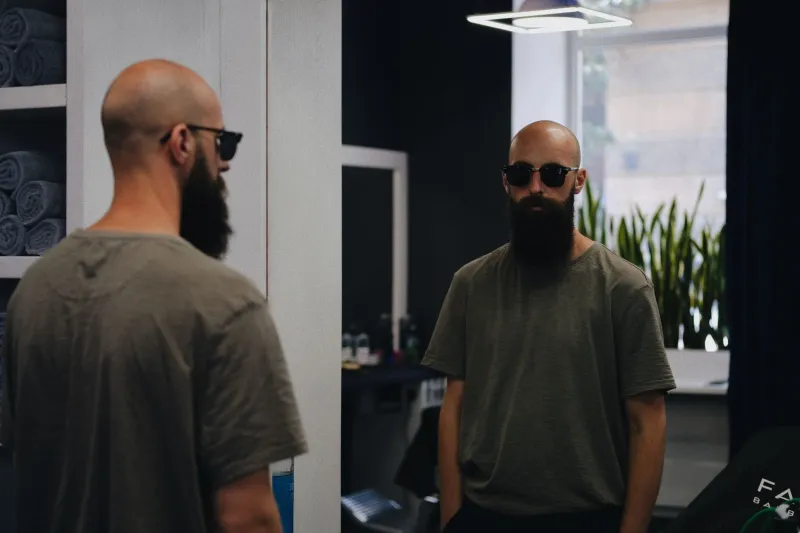
Every guy who's ever grown a beard knows the story. Day one, you're optimistic. Day four, your neck feels like you slept on a cactus. By week six, you're staring in the mirror wondering why your cheeks refuse to participate. Relax — none of this means your beard is broken. It means your beard is normal.
Here's the honest, no-hype breakdown of what's happening on your face at every stage, and what's actually worth buying along the way.
Stage One: The Stubble Itch (Days 1–7)
The first week is where most beards die. The itch isn't your imagination — freshly cut hair has a blunt edge that scrapes against your skin as it pushes through, and the skin underneath gets irritated and dry.
The fix is boring but effective: wash your face with a gentle cleanser and moisturize daily. A lightweight, fragrance-free lotion works fine. If you want something beard-specific, a splash of beard oil at night can take the edge off, but you don't need the fancy stuff yet. Save your money for later.
Whatever you do, don't trim the neckline yet. You'll be tempted. Resist.
Stage Two: The Awkward Phase (Weeks 2–4)
This is when the beard looks like it belongs to someone who lost a bet. Hairs grow at different rates, the neckline gets fuzzy, and your coworkers start noticing. This is also the phase where most guys cave and shave everything off, resetting the clock to zero.
Instead, do three things:
- Define your neckline. Two finger-widths above your Adam's apple, curve up to behind your ears. Everything below that line goes. This one trim instantly makes a scruffy beard look intentional.
- Start using beard oil daily. Now that there's actual hair, oil matters — it conditions the hair and keeps the skin underneath from flaking.
- Comb it. A cheap wooden comb trains the hairs to lie in one direction and stops the weird cowlicks.
Stage Three: The Patchy Month (Months 2–3)
Month two is where patchiness shows up, and where the internet will tell you to buy miracle supplements. Let's clear this up with what dermatologists actually say: beard growth is driven by genetics and hormones, not by products. Beard oil makes existing hair softer and skin healthier — it does not grow new hair. Biotin supplements only help if you have an actual deficiency, which most American guys eating a normal diet don't.
And the oldest myth in the book — that shaving makes hair grow back thicker? Completely false. Shaving doesn't touch the follicle, which is where all the growth decisions are made. It only feels coarser because cut hair has a blunt tip.
So what do you do about patches? Mostly, wait. Many patches fill in on their own by month three or four as slower follicles catch up. In the meantime, keep the beard slightly longer on the edges to create the illusion of density, and let time do the rest.
Stage Four: The Growth Plateau (Months 3–6)
Around this point, growth seems to stall. It isn't stalling — your beard has simply reached a length where shed hairs and split ends make it look static. This is when maintenance becomes a real routine:
- Trim split ends every couple of weeks. Just the tips. This is where a barber earns their tip.
- Upgrade to beard balm. Balm adds light hold and tames flyaways in a way oil alone can't.
- Wash it properly. Regular shampoo strips beard hair of its natural oils. Use a dedicated beard wash two or three times a week and rinse with water on off days.
- Sleep and eat like an adult. Boring advice, but poor sleep and a junk-food diet genuinely show up in hair quality over time.
Stage Five: Full Beard, Full Control (Month 6+)
A mature beard is less about growing and more about managing. Weekly maintenance — a quick neckline cleanup, an end trim, a wash schedule — keeps it looking sharp instead of feral. Keep oil in the rotation for the skin underneath, since a long beard can hide dandruff until it's a problem.
This is also when a professional shape-up is worth every penny. A good barber can read your face shape and jawline and cut the beard in a way no mirror-and-clippers session at home can match. Even one visit gives you a template to maintain yourself.
The Bottom Line
Every stage of beard growth has an exit, and the guy who makes it to month six is simply the one who didn't panic during weeks two through six. Wash it, oil it, trim the neckline, and ignore anything promising overnight results. Your beard isn't trying to tell you something mysterious — it's just doing its job, one slow follicle at a time.